
Oceania Import and Export Data – HS Codes to Trade Opportunities
Oceania import and export data pinpoints buyers, suppliers, and pricing trends across Australia, New Zealand, and the Pacific islands. With shipment-level visibility, you reduce risk, monitor competitors, and act faster—turning verified customs records into confident, data-driven trade decisions teams can execute every day.

About Us – From Records to Results with Oceania Import and Export Data
Firstly, we deliver actionable Oceania trade intelligence the moment it’s released. Our analysts source shipment records directly from customs and port authorities—from Sydney/Melbourne/Brisbane and Fremantle to Auckland/Tauranga, Port Moresby, Suva, and Nouméa—plus verified government databases. We standardize HS codes, normalize currencies (AUD, NZD, PGK, FJD, XPF), and map local business IDs (ABN, NZBN) for clean comparison. Each record is enriched with UN/LOCODE port tags, Incoterms, and bilingual descriptors (EN/FR where applicable). Outliers are flagged so pricing signals stay trustworthy.
Meanwhile, Oceania’s supply chains are accelerating under PACER Plus and regional initiatives across the Pacific. Because sea lanes—from the Tasman and Coral Seas to Australia–PNG and Polynesian routes—operate under varied rules, seasons, and vessel schedules, early pattern-spotting is critical. Our dashboards clarify complexity, not add to it: track buyer momentum, anticipate price cycles in commodities from LNG, iron ore, and coal to dairy, beef, timber, and seafood, and optimize routes to cut dwell time and cost. In short, you’re not just reading numbers—you’re seeing the story of Oceania’s trade and turning it into advantage.
Discover Oceania Import and Export Data Across Every Country
Australasia

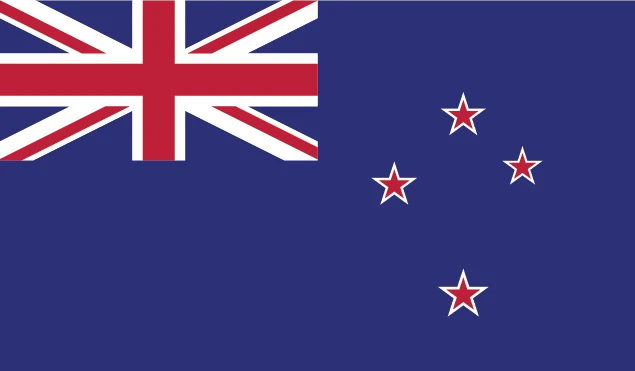
Melanesia
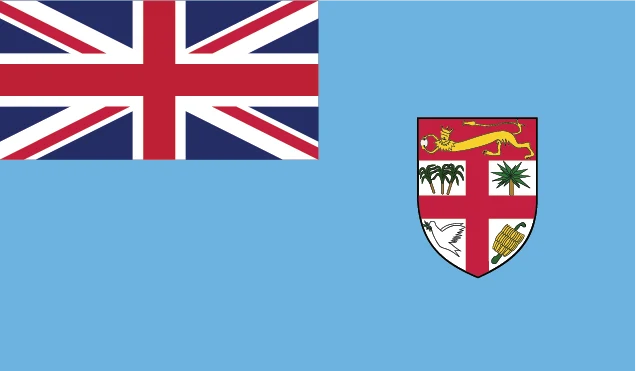
Fiji

Papua New Guinea

Solomon Islands

Vanuatu

New Caledonia
Micronesia

Federated States of Micronesia

Kiribati

Marshall Islands

Nauru

Palau

Guam

Northern Mariana Islands

Wake Island
Kiribati
(Gilbert Islands part)
Micronesia
Polynesia

Samoa

Tonga
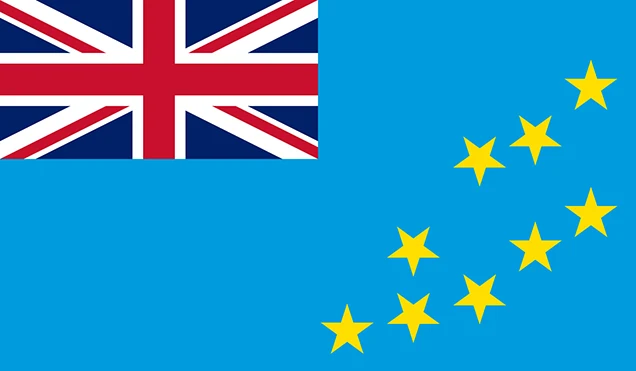
Tuvalu
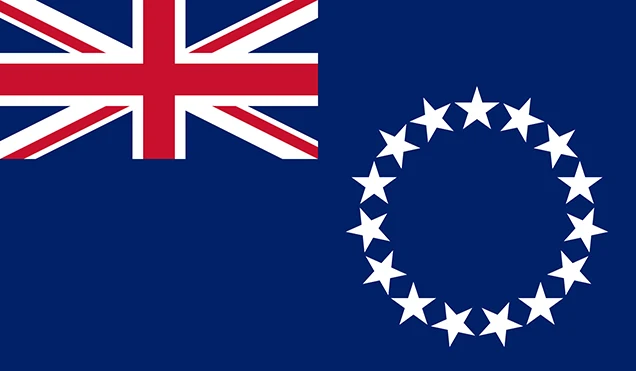
Cook Islands
Niue

French Polynesia

American Samoa

Tokelau

Wallis and Futuna
Pitcairn Islands

Easter Island
Why Traders Depend on Our Oceania Import and Export Data
Trusted Customs Records
To begin, we collect trade data directly from official Oceania customs authorities and government portals—from Australian Border Force and New Zealand Customs Service to PNG Customs Service and Fiji Revenue & Customs Service. Each shipment is cross-checked with port and logistics references, such as Sydney, Melbourne, Brisbane, Fremantle, Auckland, and Tauranga. As a result, you receive compliance-ready datasets with verified HS codes, precise values, and accurate descriptions—giving your sourcing and sales teams reliable, ready-to-use intelligence across the region.
Standardized HS Mapping
Also, we ensure every HS code aligns precisely with regional and international trade classifications. Our experts actively and continuously track tariff schedules and PACER Plus / CPTPP alignment updates across Australia, New Zealand, and Pacific markets. Consequently, you avoid costly mismatches and clearance disputes. In turn, your product database remains globally comparable, enabling faster benchmarking, smoother customs operations, and seamless integration throughout Oceania’s interconnected sea lanes and cross-border logistics networks.
Local Market Intelligence
Furthermore, analysts combine global experience with Oceania knowledge. We interpret customs regulations, GST / VAT procedures, and logistics variations from Australia and New Zealand to Melanesia, Micronesia, and Polynesia. Complex compliance requirements become practical, country-specific insight. This balance of global know-how and local expertise empowers your team to act confidently in diverse environments—from Australia’s minerals and LNG exports to New Zealand’s dairy and meat shipments—ensuring smooth execution across borders.
Traceable Data Proof
In addition, our datasets include validation notes and traceable audit logs for total transparency. Since each record is time-stamped and source-verified, you can easily satisfy investor reviews, donor audits, or government compliance checks. As a result, your organization reinforces trust and accountability—demonstrating that your trade data meets international due-diligence standards while also aligning with local reporting obligations under Oceania’s customs and revenue agencies.
Live Trade Updates
Moreover, we refresh Oceania customs data upon release. Our system synchronizes records from authorities—from Australia and New Zealand to Pacific administrations—reducing lag and ensuring accuracy. Thus, your team gains first-mover advantage by spotting changes in trade volumes, tariffs, or buyer activity before competitors do. Ultimately, this speed helps you react faster to shifting demand patterns, port congestion alerts, and currency-driven price movements.
Accurate Price Signals
Because we track shipments, you obtain dependable price references across commodities—from iron ore, coal, and LNG in Australia to dairy, beef, timber, and seafood in New Zealand and the Pacific. Accordingly, your sourcing managers negotiate better terms, and finance teams forecast with precision. At the same time, our analytics reveal seasonal and regional trends—helping you anticipate price cycles and make informed decisions backed by real customs evidence.
Verified Trade Partners
Equally important, our platform identifies buyers and suppliers from customs filings. Each company is linked to transaction details—quantities, ports, and trade partners—offering unmatched visibility. Consequently, you uncover niche exporters in Fiji, reliable buyers in New Zealand, or specialized suppliers in Papua New Guinea. This intelligence lets you expand confidently, build partnerships based on shipment proof, and avoid directories or listings filled with outdated or unverifiable data.
Actionable Trade Dashboards
Meanwhile, our interactive dashboards convert millions of shipment records into intuitive visuals. You can filter by HS code, country, or product—instantly revealing trends such as Australia’s machinery imports or New Zealand’s dairy exports. Instead of relying on static spreadsheets, you gain clear, actionable charts that expose opportunities, highlight logistics routes, and support data-driven decisions your executives can understand and act upon within seconds.
Expert Support Anytime
Finally, we go far beyond standard data delivery with dedicated expert analytical support. Our Oceania-focused specialists configure dashboards, set HS-code alerts, and design custom reports tailored to your goals. Whether you need guidance for forecasting, compliance checks, or buyer targeting, we assist directly. Consequently, you gain not only accurate data but also a strategic partner turning Oceania’s complex customs information into practical growth opportunities.
What You Can Do with these Oceania Import and Export Data—Immediately
- Initially, identify buyers and suppliers by HS-6 code, port, or Incoterm—across Australia, New Zealand, and key Pacific markets—faster than competitors, so you can shortlist qualified partners from real shipment records. Build targeted lists by company, sea lane, and product spec, enrich with shipment frequency and counterparties, and trigger alerts when new players or volume spikes appear in your lane.
- Furthermore, forecast demand and seasonal trends across core sectors (minerals, energy, agriculture, seafood, timber, machinery) using multi-year Oceania import and export data to align inventory, capacity, and sales targets. For example, model peak-to-trough variations by country pair and HS code, stress-test scenarios against currency and tariff shifts, and translate signals into purchase plans and production calendars your teams can act on.
- Additionally, optimize sourcing routes across Oceania’s major logistics corridors and maritime hubs by comparing lanes, dwell times, and landed costs to build resilient routing playbooks. Evaluate alternative ports and carriers (e.g., Sydney, Melbourne, Brisbane, Fremantle, Auckland, Tauranga, Port Moresby, Suva), map transshipment risks and choke points across the Tasman and Coral Seas, and pre-approve backups so you can pivot quickly when congestion, weather, or policy changes disrupt the primary path.
- Likewise, negotiate confidently using verified pricing and shipment benchmarks—including $/kg by lane and counterparty—to anchor quotes and defend margins. For instance, reference recent comparable transactions, quantify variance versus market medians, and document concessions and service levels to secure better terms without sacrificing reliability.
- Lastly, minimize compliance risks with standardized HS codes, transparent audit trails, and traceable customs sources that satisfy internal controls and regulatory reviews. Accordingly, automate anomaly flags for sudden value/weight shifts, maintain evidence packs linked to each shipment, and align documentation with Incoterms and local regulations to pass audits smoothly.
Oceania Import and Export Data – Contact Us for Free Data Samples
Ready to explore Oceania’s trade data and uncover opportunities? Contact us for Oceania import and export data and a walkthrough. We’ll load your HS list, surface buyers and suppliers, and build a dashboard you’ll actually use—turning verified customs records into a trade advantage you can act on.